USDT to USDC Conversion: A Complete Guide to Stablecoin Swaps
In the rapidly evolving world of cryptocurrency, stablecoins like USDT (Tether) and USDC (USD Coin) have become essential tools for traders, investors, and everyday users. Both are designed to maintain a 1:1 peg with the US dollar, offering a reliable store of value and a seamless way to move funds across exchanges and platforms. However, while they share the same goal, USDT and USDC are not identical. Understanding how to convert USDT to USDC—and why you might want to—can help you optimize your crypto strategy.
First, let’s break down the key differences. USDT is the oldest and most widely used stablecoin, with the highest liquidity on most exchanges. It is available on multiple blockchains, including Ethereum, TRON, BNB Chain, and Solana. USDC, on the other hand, is known for its strong regulatory compliance and transparency. It is often preferred for DeFi (decentralized finance) protocols and institutional use. Converting from USDT to USDC may be necessary if you want to access certain liquidity pools, take advantage of lower fees on a specific platform, or comply with a platform’s requirements.
The process of converting USDT to USDC is straightforward but requires careful attention to the blockchain network. For example, if you hold USDT on the Ethereum network (ERC-20) and want to receive USDC on the same network, you can use a decentralized exchange (DEX) like Uniswap or a centralized exchange like Binance or Coinbase. The key is to ensure that both tokens are on the same blockchain; otherwise, you may need to use a bridge or swap service to move between networks, which can incur additional fees and delays.
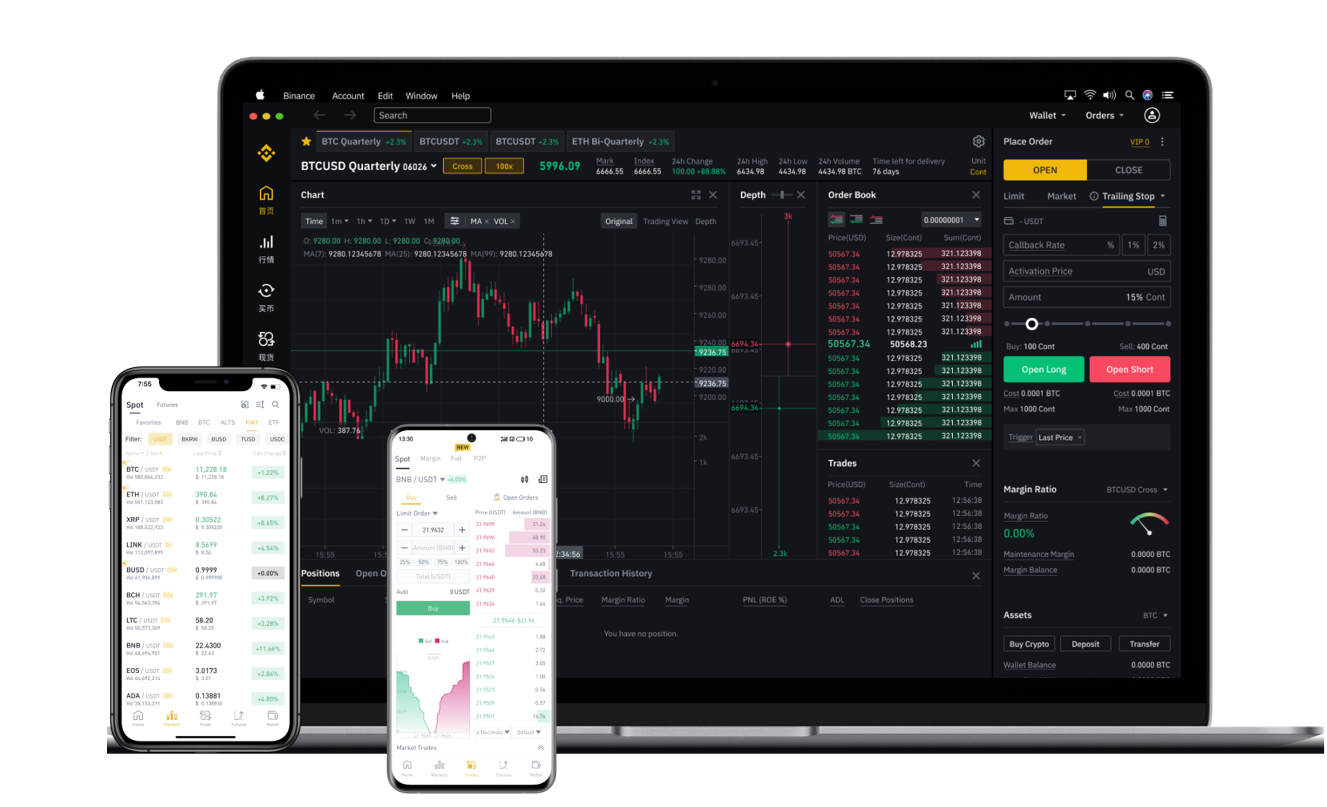
Centralized exchanges often offer the simplest route. After logging into your account, you can place a market or limit order to trade USDT for USDC. Most major exchanges have a direct USDT/USDC trading pair, meaning you don’t need to first convert to a base currency like BTC or ETH. Fees are typically low, and the transaction is completed in seconds. However, you should be aware of withdrawal fees if you plan to move your USDC to a wallet or another platform.
Decentralized exchanges provide an alternative for users who prefer to maintain control of their funds. By connecting a Web3 wallet like MetaMask or Trust Wallet, you can swap USDT for USDC directly through a liquidity pool. Slippage and gas fees vary depending on network congestion. On Ethereum, gas fees can be high during peak hours, so consider using a layer-2 solution or an alternative blockchain like Polygon or Arbitrum, where both USDT and USDC are available.
Another important factor is the trustworthiness of the token contract. When performing a swap on a DEX, always verify the contract address of USDC to avoid scams. Similarly, ensure that the USDT you are using is the correct version for the network. For instance, USDT on TRON (TRC-20) cannot be directly swapped for USDC on Ethereum without using a cross-chain bridge. Bridges like Multichain or the official Celer cBridge can facilitate this, but they introduce additional complexity and risk, such as smart contract vulnerabilities or temporary liquidity issues.
For large conversions, consider the total cost. While USDT and USDC both aim to be worth $1, small price differences can occur during volatile market conditions. You might also encounter spread on centralized exchanges. To minimize costs, compare rates across platforms and consider using limit orders to avoid market fluctuations.
Security should always be a priority. Avoid clicking on random swap links or using unverified dApps. Stick to well-known platforms with a proven track record. Also, never share your private keys or seed phrases—legitimate swap services will never ask for them.
Finally, remember that converting USDT to USDC may have tax implications depending on your jurisdiction. In many countries, swapping one cryptocurrency for another is considered a taxable event, meaning you need to report any gains or losses. Keep detailed records of your transaction dates, amounts, and wallet addresses to simplify tax filing.
In conclusion, converting USDT to USDC is a common and manageable task if you follow the right steps. Whether you are using a centralized exchange for speed or a DEX for decentralization, understanding the network requirements, fees, and security risks will help you make informed decisions. As the stablecoin landscape continues to evolve, staying updated on the best practices for swapping between USDT and USDC will keep your funds safe and your transactions efficient.