How to Trade on Android Crypto Exchanges: A Step-by-Step Guide for Beginners

Cryptocurrency trading has moved from desktop screens to mobile devices, and Android users are at the forefront of this shift. With the right Android crypto exchange app, you can buy, sell, and manage digital assets anytime, anywhere. However, for newcomers, the process can seem daunting. This guide breaks down exactly how to operate a crypto exchange on your Android phone, from downloading the app to executing your first trade.
First, you need to choose a reliable exchange. Popular options include Binance, Coinbase, Kraken, and Bybit, all of which offer fully optimized Android applications. Avoid downloading apps from random websites; always use the official Google Play Store to verify the developer and read user reviews. Once installed, create a secure account. This typically requires your email address, a strong password, and two-factor authentication (2FA). Enabling 2FA via Google Authenticator or SMS is critical for protecting your funds.
After registration, you must complete identity verification (KYC). Most compliant exchanges ask for a government-issued ID (like a passport or driving license) and a selfie. This process usually takes a few minutes to a few hours. Without verification, you can only browse prices but cannot deposit or withdraw funds. Once verified, you are ready to fund your account. Open the app, navigate to the "Wallet" or "Assets" section, and select "Deposit." You can transfer cryptocurrency from another wallet or use fiat payment methods such as bank transfers, credit/debit cards, or third-party payment gateways like PayPal or Apple Pay (depending on your region).
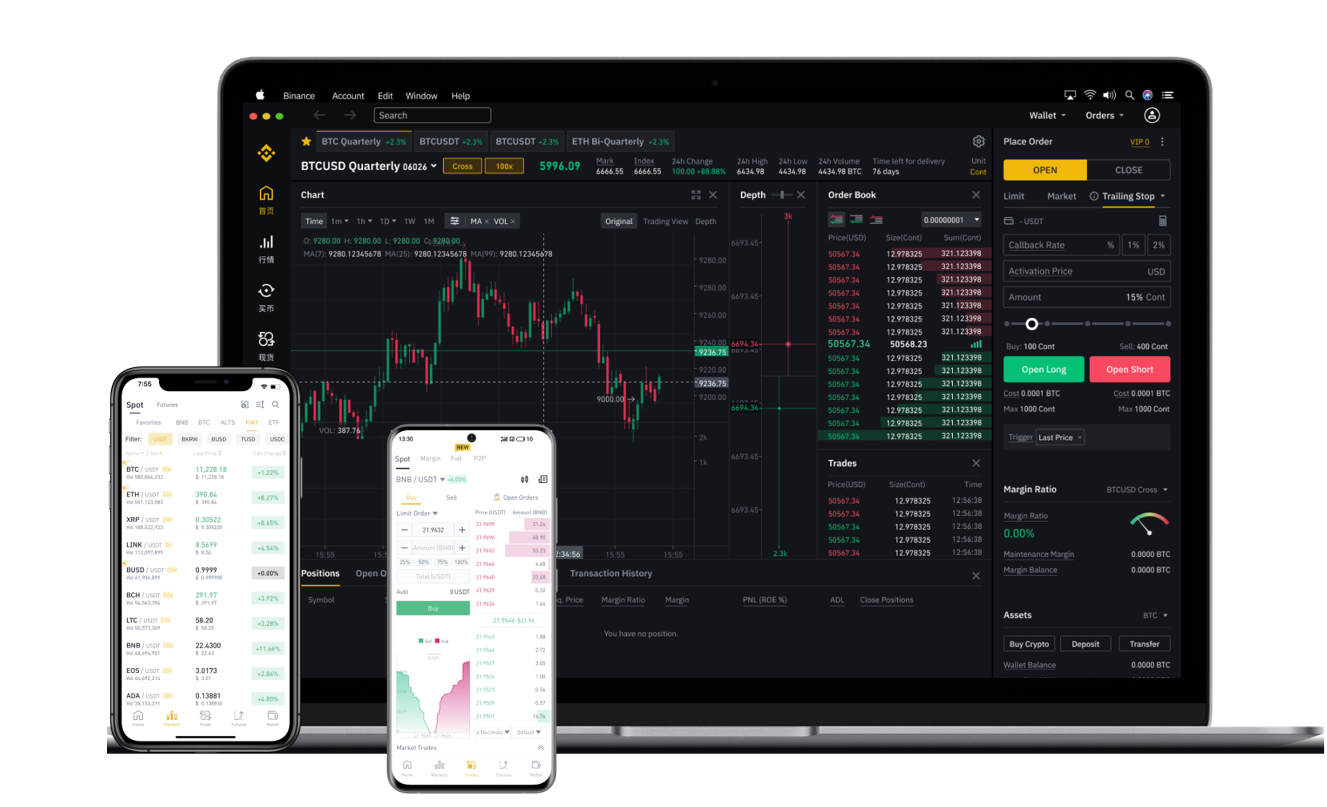
Now comes the actual trading. The main interface of most Android exchange apps displays a trading chart, order book, and market data. To buy, tap "Buy" or "Trade," select the trading pair (e.g., BTC/USDT), and choose your order type. The most common types are market orders (instant execution at current price) and limit orders (you set a specific price, and the trade executes only when the market reaches that level). Enter the amount of cryptocurrency or fiat you wish to spend, review the fees (usually shown as a percentage), and confirm the transaction. Your purchased crypto will appear in your spot wallet immediately.
Security considerations are paramount on mobile devices. Always use the app's built-in security features like withdrawal whitelist (limiting withdrawal addresses), pin code or fingerprint lock, and session management. Avoid using public Wi-Fi when trading or approving transactions. If you plan to hold coins long-term, consider moving them from the exchange to a private wallet like MetaMask or Trust Wallet, which gives you full control over your private keys.
Finally, keep an eye on network fees and deposit minimums. Ethereum-based tokens, for example, may cost higher gas fees, while Solana or BSC networks offer cheaper transfers. Also, note that some exchanges have different "minimum trade" requirements, often as low as $10 or $20. For advanced users, Android exchanges also support staking, margin trading, and futures—but these carry higher risk and should be approached with caution.
In summary, operating a crypto exchange on Android is straightforward: download a verified app, complete KYC, deposit funds, and place your first trade using market or limit orders. By prioritizing security and understanding each step, even a beginner can navigate the world of digital assets confidently from their mobile device. As the industry evolves, Android apps will only become more intuitive and feature-rich, making mobile trading a permanent pillar of the crypto economy.