Binance Denies Considering New Exchange Setup: What It Means for Crypto Markets
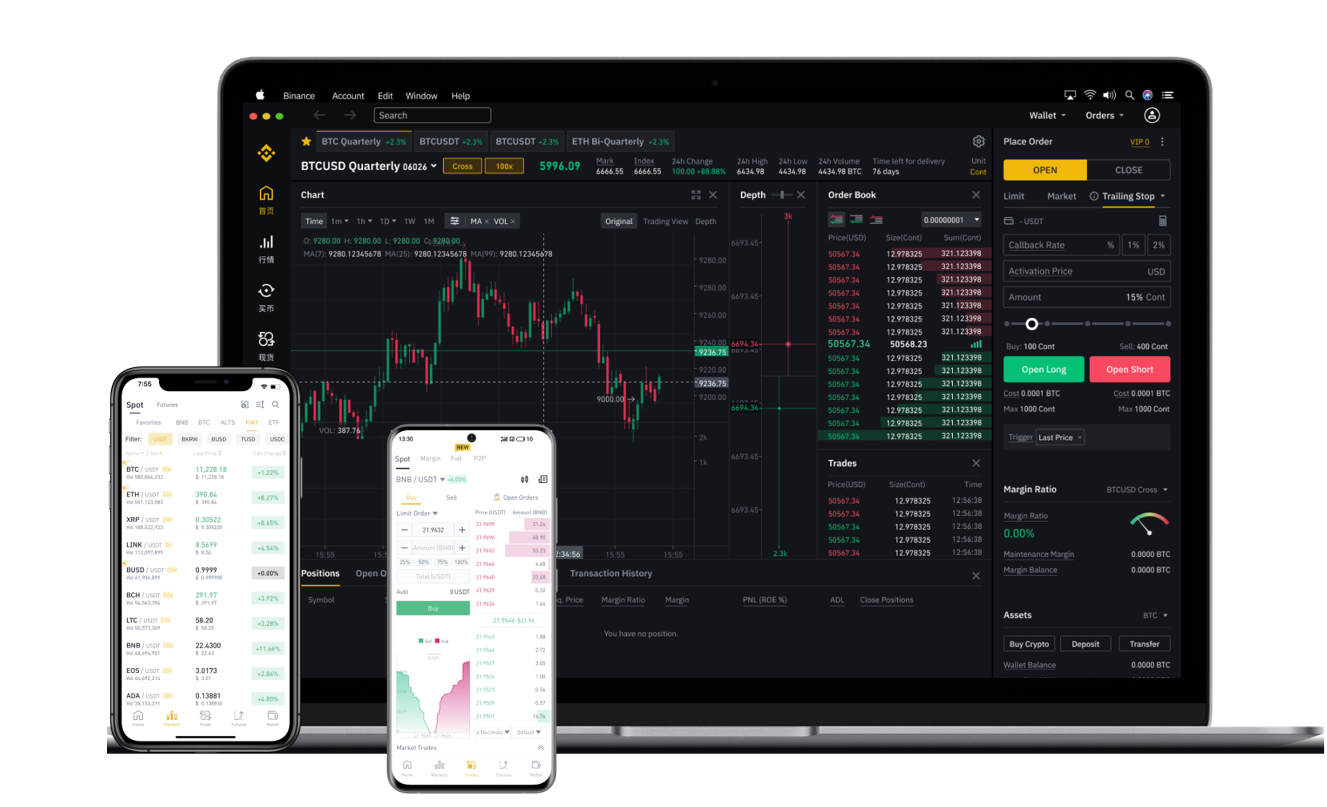
In a recent development that has caught the attention of the global cryptocurrency community, Binance, the world’s largest digital asset exchange by trading volume, has officially denied reports that it is considering establishing a new exchange platform. The statement came as a direct response to unverified rumors circulating across multiple media outlets and social media channels, suggesting that the company was planning to launch a separate trading venue in a new jurisdiction.
The denial was issued through Binance’s official communication channels, where the company clarified that it had no current plans or intentions to create an additional exchange. This clarification is significant because Binance has historically faced intense regulatory scrutiny in several major markets, including the United States, the United Kingdom, and parts of the European Union. Any hint of expansion into new regions often triggers speculation about compliance strategies and market positioning.
From a keyword derivative perspective, this news generates several important search angles that can help users find related information. First, the core keyword “Binance denies considering” leads to derivative phrases such as “Binance regulatory updates,” “Binance exchange expansion rumors,” and “cryptocurrency exchange misinformation.” These variations allow search engines to capture users who may be looking for broader context around Binance’s operations or the spread of false news in the crypto space.
Second, the term “how to use” in the query suggests that users may be searching for practical implications. Derivative keywords here include “how to interpret Binance announcements,” “how to verify crypto exchange news,” and “how to avoid fake exchange news.” These reflect user intent to navigate information reliability, which is a growing concern in the volatile digital asset industry.
Third, the phrase “new exchange” itself can be expanded into “Binance alternative platforms,” “Binance competitors,” and “crypto exchange application process.” Users who initially search for Binance’s denial may later explore which other exchanges they can trust or use, especially if they perceive regulatory risk around Binance.
For the crypto market, Binance’s denial helps stabilize short-term sentiment. Speculation about a new exchange often leads to uncertainty regarding token listings, liquidity distribution, and fee structures. By firmly rejecting the rumor, Binance reassures its existing user base that its current platform remains the sole focus. This also reduces the probability of FUD—fear, uncertainty, and doubt—among traders and institutional investors.
However, the denial does not eliminate broader concerns. Regulatory bodies in various countries continue to monitor Binance’s compliance with local laws. Some jurisdictions have already issued warnings or restrictions against the platform. Therefore, while the immediate rumor is shut down, the long-term regulatory narrative remains active. This creates a rich environment for derivative keywords related to compliance, such as “Binance regulatory framework,” “licensed crypto exchanges,” and “global crypto exchange rules.”
In terms of user behavior, a denial like this often leads to increased search volume around “Binance news official,” “Binance CEO statement,” and “crypto exchange transparency.” Users want to verify the source and check for additional official statements. Therefore, content creators and SEO strategies should prioritize authoritative sources and up-to-date information to meet user expectations.
In conclusion, the Binance denial regarding a new exchange is not just a simple rebuttal—it is a data point that triggers a cascade of related searches. From regulatory implications to platform reliability and competitor analysis, the ecosystem of keywords around this event is broad and actively searched. Writers and analysts should focus on clarity, official verification, and contextual expansion to maximize both search visibility and user trust.